Relocating to a new home can feel overwhelming long before the moving truck ever arrives. Between daily responsibilities, work schedules, and family routines, it’s easy for packing and planning to turn into a stressful rush. The good news is that a smooth move is rarely about luck—it’s about strategy. With the right preparation, you can reduce expenses, avoid common mistakes, and protect your belongings without draining your energy.
This guide focuses on practical, real-life “moving hacks” that help you stay organized, save money, and keep your household functioning during the transition. Whether you’re moving across town or relocating to a new destination, the steps below will help you keep control of your timeline and your budget.
Start With a Game Plan, Not a Pile of Boxes
One of the fastest ways to create chaos is to begin packing without a system. Instead of grabbing random boxes and hoping it works out, start by planning how your household will handle the workload. If you live with family members or roommates, assign responsibilities based on ability and time. Even younger household members can help with simple tasks like sorting items into “keep” and “donate” categories.
Moving is physically demanding, but it’s also mentally exhausting—especially when it becomes unstructured. The best moves happen when people are aligned and working toward the same plan. When you approach relocation like a team project, it becomes easier to maintain momentum and avoid burnout. This is where South Florida moving hacks become powerful: they reduce wasted effort and help you move with purpose instead of panic.
Create a Dedicated Staging Area for Packing
Every organized move starts with one central “command zone.” If you have a garage, this is the perfect space to stage your packed boxes. If you don’t have a garage, choose a spare bedroom, family room corner, or any area that can remain mostly untouched until the move. This staging area becomes the place where packed items are stored neatly and safely, rather than stacking boxes randomly throughout the house.
The staging area helps you stay organized in three important ways. First, it keeps packed items out of the way. Second, it makes it easy to track progress. Third, it prevents the “packed items everywhere” problem that makes daily life difficult during moving week.
Keep living spaces functional until moving day
Even if you’re eager to pack quickly, it’s important to keep your home livable. Maintain clear hallways and open walkways so your household can move around safely. A cluttered pathway is not only frustrating—it increases the risk of injuries, broken items, and tripping accidents.
Think of your move as two priorities happening at once: preparing for relocation while still living normal life. The only way to balance both is by keeping traffic areas clear and packed items contained in one dedicated zone.
Declutter First: The Cheapest Moving Hack You’ll Ever Use
Packing is expensive when you pack everything. The less you move, the less you spend—especially for long distance relocations where volume and weight can affect pricing.
Before tape ever touches a box, make the hard decisions: what you’re keeping, what you’re selling, what you’re donating, and what needs to be thrown away. Most households have more items than they realize, and moving is the perfect time to cut down on what no longer serves your life.
Many local charities offer pickup services, which makes donating easier than you might expect. At the same time, you should also check your city’s bulk pickup rules. Some items require scheduled pickups, and not everything is accepted. Having a plan avoids last-minute pileups that attract clutter and create stress.
Pack in the Right Order to Stay Efficient
Packing in a random order leads to constant backtracking. Instead, pack spaces in a sequence that matches your daily usage.
Your staging area should be packed first because it’s designed for that purpose. If your garage is the staging area, start there—but keep access in mind. If you have essential appliances in the garage such as a refrigerator, washer, or dryer, you’ll want to pack around them without blocking access. Keep critical appliances usable until close to moving day, and box up everything else.
From there, move room by room based on how frequently you use items. Storage closets, decorative shelving, and guest room items can be packed early. Everyday kitchen essentials, routine toiletries, and daily clothing should stay available until the final stretch.
Use the Right Boxes: Cheap Boxes Can Become Expensive Mistakes
It’s tempting to collect used boxes from grocery stores or other businesses, but this can create more problems than it solves. Used boxes are often weaker, may have hidden moisture damage, and can even bring pests into your home. Crushed corners and soft cardboard are common reasons boxes collapse during loading or stacking.
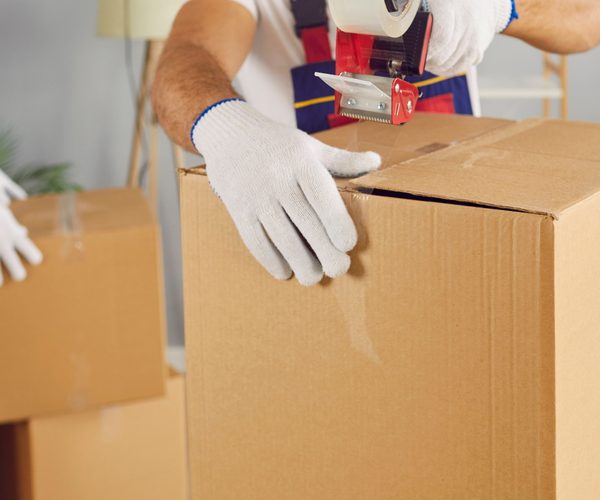
New moving boxes are built for weight and stability, which makes them a smart investment. They are also easy to stack evenly, which saves space in the truck and reduces shifting. Many people don’t realize that stable stacking can also reduce the risk of damage.
South Florida Van Lines provides up to 20 boxes and tape free of charge, which can be a major cost-saver during packing. For additional protection, you may still need packing paper or bubble wrap depending on what you’re moving. In many cases, moving companies can include packing materials in a written estimate and bring everything on moving day for convenience.
Pack Smarter by Controlling Weight and Structure
Packing isn’t only about fitting items into boxes. It’s also about packing in a way that prevents damage and avoids unnecessary strain. Every box has a weight limit, and ignoring that limit can lead to injuries and broken items.
Books and heavy items should always be packed in small boxes. Clothing, towels, bedding, and other soft items can go into larger boxes without creating overload. A helpful rule is to make sure each box can be lifted safely by one person.
Another overlooked trick is filling boxes completely to the top. Half-filled boxes crush more easily when stacked, which creates preventable damage. A full, structured box supports stacking and reduces shifting during transport. This is one of those South Florida moving hacks that sounds simple, but it has a major impact on results.
Label Like a Pro to Save Hours on Unpacking
Labeling is often treated like an optional task, but it’s one of the biggest time-savers you can use. The goal isn’t just identifying what’s inside—it’s making items easy to locate immediately after arrival.
Use a bold marker and label every box on multiple sides. One label should indicate the destination room. Another label should indicate a quick summary of contents. Clear labeling reduces confusion for movers and prevents boxes from being placed in the wrong rooms. This eliminates the dreaded “box shuffle” that wastes time during unloading.
If you want to be extra efficient, number each box and keep a simple written list of what key boxes contain. You don’t need to catalog everything, but tracking essential boxes—like kitchen items, electronics, and important documents—makes unpacking smoother.
Protect Your Budget With Fewer Boxes and Better Planning
A cost-effective move isn’t always about finding the cheapest service. Often, it’s about minimizing waste. Every extra box increases moving volume. Every unplanned decision leads to rushed purchases. Every missing label creates time-consuming effort later.
When you reduce clutter, pack in sequence, use the right boxes, and protect items properly, you reduce the chance of damage and unnecessary replacement costs. You also reduce stress—because your plan is working for you instead of against you.
If you remember nothing else, remember this: moving success is built on preparation. The more intentional your packing process is, the more smoothly your relocation will go.
South Florida Van Lines Professional Moving Company
If you’re preparing for an upcoming relocation, South Florida Van Lines can help you move with confidence and efficiency. From reliable planning support to professional loading and transport, their team helps take the pressure off moving day while keeping your process organized from start to finish. To learn more or request pricing, contact South Florida Van Lines today at 305-912-2338 or request an online FREE quote. This is one of the most practical South Florida moving hacks you can use—partnering with professionals who know how to prevent delays, damage, and unnecessary costs.
Frequently Asked Questions
How early should I start packing before my move?
Most households should begin packing at least 3–4 weeks before moving day, starting with items used the least. Waiting until the last week often leads to rushed packing and damaged belongings.
Should I use used boxes or buy new ones for moving?
New boxes are typically safer because they are stronger, cleaner, and designed for stacking. Used boxes can be weakened, contaminated, or attract pests, which can create unnecessary risk.
What is the best way to label moving boxes for easy unpacking?
Label each box on multiple sides with the destination room and a brief content summary. Clear labeling reduces confusion during unloading and speeds up unpacking.
How do I lower my moving costs without cutting corners?
The most effective way to lower costs is to declutter before packing, use the correct box sizes, avoid unnecessary volume, and organize packing to reduce breakage and last-minute purchases.