In South Florida, storage is not as simple as placing items in a unit and locking the door. The region’s heat and humidity create an environment where belongings can deteriorate faster than most people expect. Moisture in the air seeps into fabric, paper, wood, and cardboard. Heat accelerates deterioration in electronics, adhesives, photographs, and plastics. Even items that appear “safe” at first can be permanently damaged after only a few months in standard storage.
That is why air-conditioned storage has become one of the most important upgrades for both homeowners and businesses in Florida. By maintaining a stable temperature and reducing humidity, climate-managed units offer a safer environment for items that cannot withstand extreme conditions. If you have ever opened stored boxes and found warped wood, musty fabric, faded documents, or signs of mold, you already understand the risk of choosing the wrong storage solution.
This article explains why air-conditioned storage is essential in South Florida, which items benefit the most, and how the right unit can save you from expensive replacements or irreversible damage.
Why Heat and Humidity Are a Serious Threat to Stored Items
Florida’s climate creates unique storage challenges that people from other regions often underestimate. Temperature swings and high humidity levels do not just cause discomfort—they trigger chemical and physical breakdown. Materials expand and contract. Moisture collects inside boxes. Mold and mildew can develop quickly, even without visible standing water. Metal components may corrode. Labels loosen and fall off. Paper can soften, curl, or discolor.
Humidity is especially destructive because it is persistent. It does not matter if it is sunny outside or raining—the air often holds enough moisture to create long-term damage inside a closed space. Standard storage units without environmental control can feel like an oven in summer and remain damp for weeks at a time. That mix is a perfect recipe for musty odors, warped furniture, and degraded electronics.
For anyone storing valuables, heirlooms, business inventory, or sensitive equipment, the risk is not hypothetical. It is predictable and avoidable when you use the right storage.
What Makes Air-Conditioned Storage Different
A standard unit typically provides basic shelter: a roof, walls, and a lock. However, it does not regulate interior conditions. The temperature inside can climb far higher than the outdoor temperature, especially in direct sunlight. In a place like South Florida, this can mean repeated exposure to extreme heat and moisture.
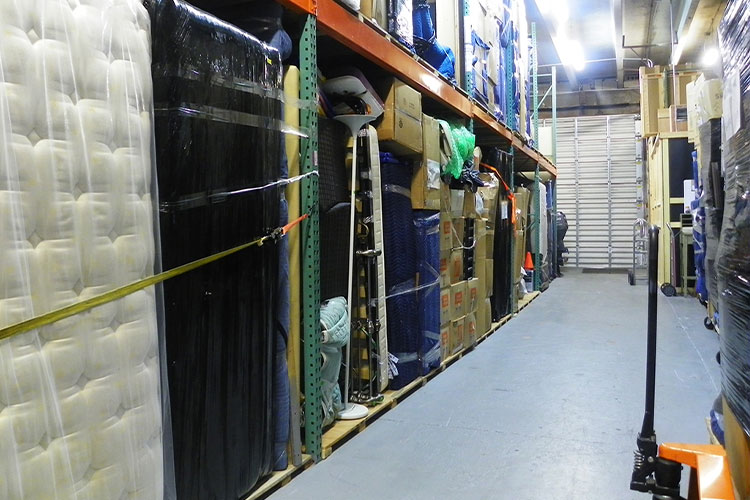
Air-conditioned storage offers a controlled indoor environment. The goal is not only cooling, but consistency. Temperature and humidity remain more stable, which reduces material breakdown and prevents moisture buildup. This controlled space helps preserve fragile materials and keeps items closer to the condition they were in when they were stored.
When people compare storage pricing, it is easy to focus only on monthly cost. But when you consider the value of what you are storing—furniture, electronics, documents, clothing, collectibles, and business assets—air-conditioned storage is often the more cost-effective choice long term because it reduces loss and replacement costs.
The Benefits of Air-Conditioned Storage for Homeowners
Air-conditioned storage is not only for luxury items. For many homeowners, it provides essential flexibility during life transitions, home projects, or seasonal needs. One of the biggest advantages is the peace of mind that comes from knowing your belongings will return in the same condition they were stored.
Moving and downsizing without losing control
Moves are unpredictable. Closing dates change. Renovations run late. New homes may not be ready on schedule. Temporary storage is often the difference between an organized relocation and a stressful scramble.
When using storage during a move or downsizing, you want to avoid unpacking damaged items later. Air-conditioned storage protects household goods from heat exposure and moisture damage, which is especially important when the storage period is longer than expected.
Protecting valuables during home renovations
Renovations create dust, vibration, and physical disruption throughout the home. Furniture and décor can be scratched, stained, or exposed to construction materials. Electronics can be impacted by fine dust that enters vents and ports.
Using air-conditioned storage during renovation keeps furniture, electronics, artwork, and decorations protected and out of the way, helping the work move faster while preventing expensive damage. It is a smart step for anyone remodeling kitchens, bathrooms, living spaces, or flooring.
Seasonal storage without mildew or fading
Many households store seasonal items that are only needed once or twice a year: holiday décor, special clothing, patio cushions, sports gear, framed artwork, and memorabilia. These items are often stored in cardboard boxes, which can absorb moisture and create odor.
Air-conditioned storage keeps seasonal belongings cleaner, fresher, and safer. It prevents mildew from developing on textiles and helps reduce fading, discoloration, and unwanted smells.
Preserving sentimental items and family heirlooms
Some belongings are not replaceable. Photo albums, old letters, vinyl records, musical instruments, childhood keepsakes, and inherited books can all be ruined by humidity and heat. Many people don’t realize these items are among the most vulnerable in non-climate-controlled units.
Air-conditioned storage provides the controlled environment these items need. For families preserving legacy belongings, this option is not simply convenient—it is essential.
Commercial Uses: Why Businesses Choose Air-Conditioned Storage
For businesses in South Florida, storage is often tied directly to profitability. Inventory and equipment are assets, and protecting assets is part of managing risk. Air-conditioned storage provides stability that supports operations, compliance, and long-term planning.
Protecting inventory from damage
Products and supplies stored in uncontrolled environments can warp, crack, corrode, soften, or spoil depending on the materials. Packaging can lose integrity. Labels can peel. Cartons can weaken. Even when the product itself is intact, poor storage conditions can reduce product quality and customer satisfaction.
Air-conditioned storage helps preserve the consistency of inventory, which supports brand reputation and reduces waste.
Safe storage for documents and archives
Paper records are extremely sensitive to humidity. Files can yellow, curl, or become brittle. Mold can grow inside boxes unnoticed until it spreads. For businesses that keep legal documents, medical files, contracts, property records, or accounting archives, this is not a minor concern.
Digital media also benefits from controlled temperature. Backups, archived drives, and stored devices perform better long term when kept in a stable environment. Air-conditioned units help reduce degradation risk for records and media that may need to be retained for years.
Managing office overflow and equipment storage
Many companies use storage to manage overflow during expansion, renovations, or staffing changes. Extra desks, chairs, printers, monitors, marketing materials, and event equipment are often costly to replace.
Instead of risking damage in a hot, humid unit, businesses use air-conditioned storage to keep these items ready for future use. This supports smarter budgeting and cleaner office transitions.
For industries such as medical, legal, retail, construction, and real estate, air-conditioned storage provides reliability that traditional storage cannot match.
Why Air-Conditioned Storage Beats Regular Storage in Florida
Florida humidity is not occasional—it is constant. That means non-climate-controlled storage is always exposed to risk. Even if the unit looks dry and secure, moisture can still build up inside boxes and furniture. Mold, musty odor, and slow material decay happen over time, and by the time you notice it, the damage is already done.
It may be tempting to choose the cheapest storage option available, but unregulated units are a gamble. The short-term savings can disappear instantly if you lose electronics, ruin furniture, or destroy valuables you cannot replace.
Air-conditioned storage is a preventive choice. It protects your belongings today and prevents costly regret later.
South Florida Van Lines: Air-Conditioned Storage You Can Trust
At South Florida Van Lines, storage is not treated like an afterthought. Protecting your belongings requires more than a locked door—it requires the right environment. Their air-conditioned storage solutions are designed for both homeowners and businesses that need clean, secure, and professionally managed space.
Whether you are moving, renovating, downsizing, storing seasonal items, or managing commercial inventory and records, South Florida Van Lines provides the comfort and control your belongings need in South Florida’s demanding climate.
If you are ready for secure storage that protects what matters most, call South Florida Van Lines at 305-912-2338.
Frequently Asked Questions
What items should always be stored in air-conditioned storage?
Electronics, wood furniture, leather, documents, photographs, artwork, musical instruments, and textiles should be stored in air-conditioned units to prevent warping, mold, fading, and corrosion.
Is air-conditioned storage worth the extra cost in South Florida?
Yes. South Florida’s humidity and heat can cause irreversible damage in standard storage. Air-conditioned storage reduces loss risk and can save money by preventing replacements.
How does humidity damage stored belongings?
Humidity can cause mold and mildew, weaken cardboard, warp wood, discolor fabric, damage paper, corrode metal, and degrade electronics over time—even without direct water exposure.
Can businesses use air-conditioned storage for records and equipment?
Absolutely. Air-conditioned storage is ideal for archives, contracts, medical or legal files, marketing materials, inventory, and office equipment that require stable conditions for preservation.