Moving delicate, high-value belongings requires more than standard packing supplies and basic preparation. Fragile items—especially antiques, pianos, and fine furniture—carry both financial and sentimental worth, making proper protection essential. When handled incorrectly, these specialty items can suffer cracks, finish damage, warping, or complete breakage. That’s why the right approach, materials, and expertise matter.
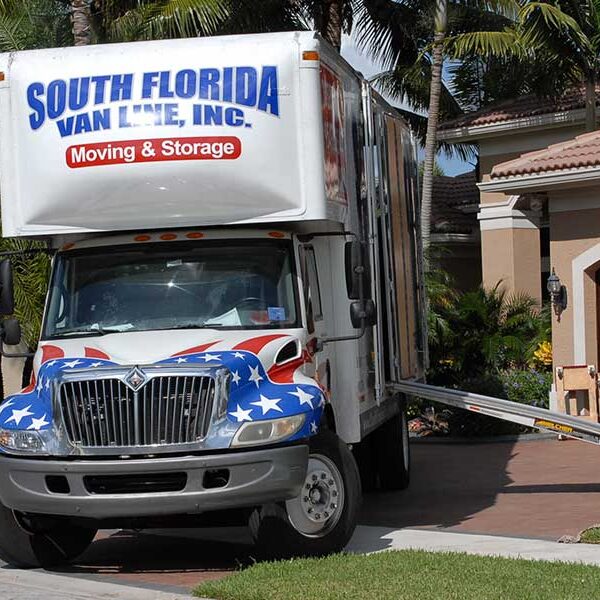
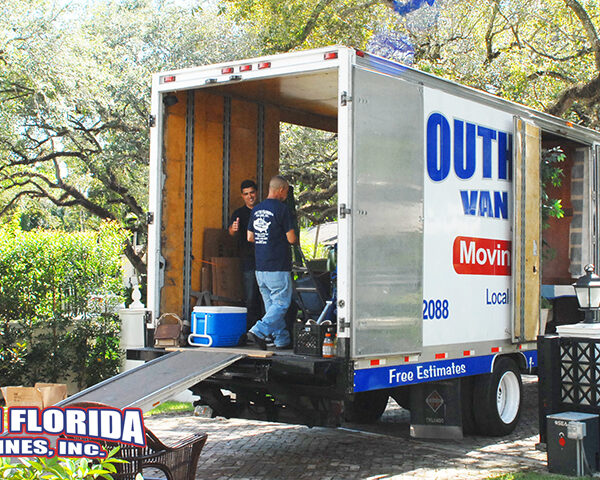
South Florida Van Lines has decades of experience transporting fragile household and commercial items across South Florida and nationwide. Below, we share professional packing tips for fragile items to help ensure your most treasured pieces arrive safely at your new destination.
Why Fragile Items Require Specialized Packing
Not all items in a move are equal. Delicate possessions demand extra attention because of unique vulnerabilities:
-
Antiques may have aged wood, delicate joinery, and sensitive finishes.
-
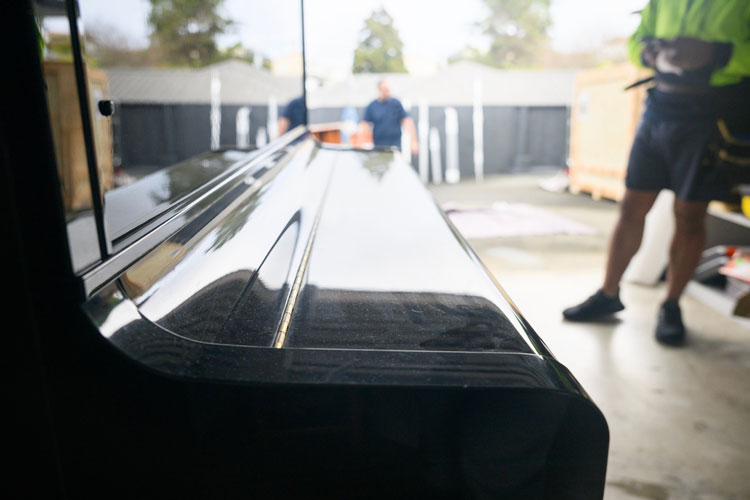
Pianos contain thousands of internal parts, high-tension strings, and heavy yet fragile casings.
-
Fine furniture often features glass panels, luxury fabrics, carvings, and materials that scratch or dent easily.
Improper handling can cause irreversible damage, costly repairs, or loss of value. Following the correct packing procedures ensures both protection and peace of mind.
Packing Antiques Safely and Effectively
1. Start With a Condition Assessment
Before packing any antique, examine it closely. Identify weak points, loose attachments, or existing damage. Photograph every piece as documentation for insurance purposes—a precaution recommended for all specialty items.
2. Use Only High-Quality Packing Materials
Thin bubble wrap or low-grade boxes won’t protect heirlooms. Instead, use:
-
Double-walled boxes
-
Acid-free tissue paper
-
Museum-grade bubble wrap
-
Corner protectors
-
Custom crates (for extremely delicate or irregular shapes)
Avoid newspaper, which can leave ink stains.
3. Wrap and Pad Thoroughly
For wood antiques, wrap the entire piece with acid-free paper first, then add bubble wrap. Delicate carvings or protruding elements should receive extra padding. For mirrors or artwork, use glassine paper to protect surfaces before adding cushioning.
4. Consider Custom Crating
The safest way to move antique mirrors, sculptures, and valuable wood pieces is with custom-built crates. South Florida Van Lines offers crating services designed to match the exact dimensions and fragility of each item.
How to Protect Pianos During a Move
1. Hire a Professional Piano Moving Team
Pianos should never be moved like standard furniture. They are heavy, awkwardly weighted, and extremely sensitive to pressure and temperature changes. Professional movers use:
-
Piano boards
-
Heavy-duty straps
-
Stair climbers
-
Protective blankets
-
Climate-controlled trucks (when required)
Attempting to move a piano without help can cause serious injury or expensive damage.
2. Secure Internal Components
Baby grands and grand pianos require removal of the legs, pedals, and lid. Each component must be wrapped separately with thick padding. Upright pianos require padding across the front, sides, and keyboard cover.
3. Wrap The Body With Thick, Non-Abrasion Blankets
A durable moving blanket should cover the entire piano, secured tightly but without applying unnecessary pressure. In transport, movers ensure no sharp edges, shifting items, or temperature swings can impact the instrument.
4. Keep Pianos Upright
Never tilt or place a piano on its back—this can damage the inner harp and delicate strings. Movers use dolly systems designed to maintain stability during loading, unloading, and transport.
Protecting Fine Furniture From Damage
1. Disassemble When Possible
Remove legs from tables, cushions from sofas, and drawers from dressers. This reduces weight and prevents stress on joints.
2. Wrap Luxury Fabrics Properly
Fine fabrics—velvet, linen, silk, or leather—require breathable covers or specialized shrink-wrap to prevent moisture buildup, mold, or discoloration.
3. Protect Glass and Marble
For tabletops or cabinets, use:
-
Glassine paper
-
Foam sheets
-
Corner guards
-
Custom crates
Marble must always be packed upright, never flat, to avoid cracking.
4. Use Floor Protection and Proper Lifting Techniques
Heavy wood pieces scratch easily, so protecting walk paths is essential. Professional movers also use lifting belts and sliders to avoid dragging, denting, or warping furniture legs.
Why Professional Movers Are Essential for Fragile Items
While DIY packing works for everyday belongings, fragile items require the expertise of trained specialists. South Florida Van Lines uses professional-grade materials, specialty equipment, and decades of technical skill to prevent damage before, during, and after transport.
From custom crating and piano moving to fine furniture protection and climate-controlled transport, your valuables receive unmatched care from start to finish. Call 305-912-2338
———-
Frequently Asked Questions
1. Can I pack fragile antiques myself?
You can, but it’s risky. Antiques require specialty materials and packing techniques. Professional packing greatly reduces the chance of breakage.
2. Do movers provide custom crating for delicate items?
Yes. South Florida Van Lines offers custom crating for artwork, mirrors, sculptures, and antiques requiring extra protection.
3. How do movers keep pianos safe during transport?
They use piano boards, protective blankets, heavy-duty straps, and proper lifting equipment. Pianos are secured upright and handled by trained specialists.
4. Will fine furniture be disassembled before moving?
If needed, yes. Disassembly helps protect fragile components and makes large pieces safer to transport.